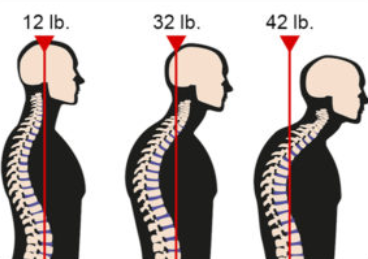
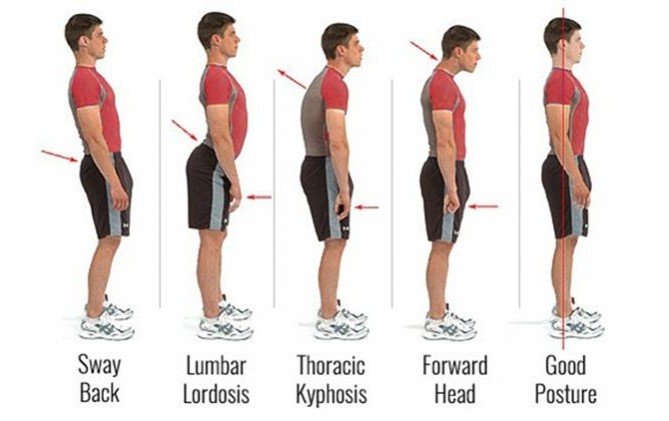
Bad posture, such as slouching or hunching over, places abnormal stress on the spine, muscles, and ligaments. Over time, this can lead to structural changes in the spine and weaken the muscles that support posture. Resulting Issues: Chronic back, neck, and shoulder pain; increased risk of spinal dysfunction; and potential for decreased lung capacity. Muscle Imbalance: How it Leads to Problems: Muscle imbalances occur when certain muscles (typically those at the front of the body, like the chest and abdominal muscles) become stronger and tighter than the opposing muscles (typically those at the back of the body, like the upper and lower back muscles). This imbalance pulls the body out of alignment.Resulting Issues: Poor posture, increased strain on the spine, and heightened risk of injury due to compensatory movements. Strong vs. Weak Muscles: How it Leads to Problems: When postural muscles are weak, the body relies on the stronger muscles to maintain posture, often leading to overuse and strain of these muscles. Weak abdominal and back muscles fail to properly support the spine, causing the stronger muscles to compensate, further exacerbating posture issues. Resulting Issues: Development of a forward head posture, rounded shoulders, and an increased curve in the lower back, leading to potential chronic pain and mobility issues. Sedentary Lifestyle: How it Leads to Problems: Prolonged periods of sitting or inactivity